
Welcome to Southwest Florida!
Fort Myers Area Boating Information
Know before you go!
Local information you need to know before you go on the water.
Vessel in Distress - Getting Help on the Water
Help is available on the water. VHF Channel 16 is reserved for hailing and distress. Commercial towing services such as TowBoatUS and SeaTow monitor Channel 16. The U.S. Coast Guard is available for dire emergencies. Do not call the Coast Guard for routine radio checks, running out of fuel, or engine failure unless it poses immediate danger to yourself or others. Coast Guard Station Fort Myers Beach Rescue 21 System supports DSC radio. Learn more about choosing and operating a Digital Selective Calling (DSC) Radio.
Boat Speed Zones are Enforced
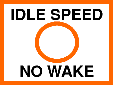
You must be aware of Speed Zones in the Caloosahatchee River in Lee County. "Slow Speed" means your vessel must not be on plane, must be settled in the water, not plowing, and creating a minimum wake.
In the Caloosahatchee River Speed Map, there is a 1/4-mile SLOW SPEED buffer along both sides of the river from downtown Fort Myers to Shell Island. Buoys are placed along this buffer to indicate the 1/4-mile distance.
Between the Edison Bridge and the railroad trestle, the speed regulation is 25 mph in the marked Intracoastal Waterway channel and SLOW SPEED outside the channel.
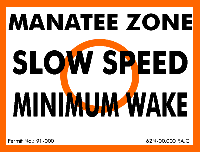
In addition to these zones, review official Florida Manatee Protection Zones. Local, state, and federal law enforcement agencies actively enforce these zones. Fines range from $50 to $100 for a first offense. Learn more about Manatee biology and habitats.
Southwest Florida Weather Changes
Keep abreast of rapid weather changes. Always maintain a marine VHF radio with NOAA weather channels on board. If you are swimming near sand bars or surf beaches, be cautious of rip currents. Rip currents pull swimmers away from shore and can occur at any beach with breaking waves. Drowning usually results from exhaustion, panic, or lack of swimming skills when trying to fight the current.
Local Tides and Currents
Shallow water is prevalent throughout Southwest Florida. Navigating outside marked channels can result in grounding and hull damage. Always consult local navigational charts and verify daily Fort Myers tide conditions prior to departure.
The Boating Landscape Changes
Hurricanes and storms frequently alter local waterways. Channels may shift, while buoys and daymarks can become damaged or displaced. Always review the USCG Local Notice to Mariners (District 7) before setting sail. Maintain a proper lookout at all times, as recent hazards may not yet be published.
Vessel Traffic Guidelines
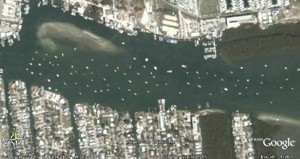
Boat traffic in Southwest Florida is dense year-round. Boaters must understand Navigation Rules for both Inland and International waters across lines of demarcation. If you need to refresh your knowledge of Intracoastal Waterway markers, enroll in a Boating Safety Course or test your skills with our Navigation Rules Challenge.
Boating Under the Influence (BUI) Enforcement
Operating a vessel under the influence of drugs or alcohol is strictly prohibited. The U.S. Coast Guard, Lee County Sheriff's Office, Florida Fish and Wildlife Conservation Commission (FWC), Cape Coral Police, and Fort Myers Police routinely conduct safety boardings. Alcohol impairs judgment and reaction time—always appoint a designated driver.
Security Zones & Facilities
Regulated navigation areas and military security zones are strictly enforced. Never approach naval vessels or commercial cruise ships. Review current maritime safety guidelines through the USCG Homeport Directory.
Lake Okeechobee Waterway Locks
Check for active lock schedules and operational updates by consulting the Army Corps of Engineers Navigation Bulletins.
Red Tide and Algae Blooms
Red tide (caused by Karenia brevis) is a naturally occurring microscopic alga. Airborne toxins can cause respiratory irritation such as coughing or eye tearing. Individuals with chronic respiratory conditions like asthma should avoid affected areas. Monitor real-time conditions on the FWC Red Tide Status Page.
Report Damaged Buoys and Signs
Report missing or damaged waterway markers that pose navigational hazards to the FWC hotline at 1-866-405-BUOY (2869). Be prepared to provide the marker location (GPS or nearby landmarks) and a description of the damage.
Take a Safe Boating Class
The Coast Guard Auxiliary offers introductory courses covering essential boat handling, safety equipment, and legal requirements. Register for a Boating Safety Class today.
Additional State Resources