
|
NEWS RELEASE |
Date: 09/24/2026 |
When a Boat Returns Without Its Operator
When a Boat Returns Without Its Operator
An empty boat under power, or one that washes ashore with no one aboard, leaves a frightening question: What happened to the people on it? On the water, wind and current can carry a person and a boat in different directions. Even when investigators find the vessel, they may never be able to reconstruct every moment. Boaters can reduce that uncertainty, and give themselves a better chance of being found, with a few habits established before departure.
How a person can be lost
An operator can be thrown from the helm by an abrupt turn, a wake or a collision with a unknow/unseen object. If the engine keeps running, the empty boat may circle back toward anyone in the water. A crew member working on deck at night can also slip overboard without being seen or heard. Alcohol, fatigue and dehydration can make a routine move around the boat less steady. Carbon monoxide presents a different danger. Exhaust can collect around a boat, including near the stern or under canvas. Because the gas has no smell, a person may become ill or incapacitated without recognizing the cause. These are possible explanations for a missing boater, not conclusions to draw from an empty vessel alone.
Why the search can be difficult
A boat and a person in the water do not drift alike. Their positions when found may reveal little about where someone fell overboard. Many recreational boats also have no recording system that captures what happened at the helm. Saltwater and exposure can further damage evidence. A saved track on a chartplotter or satellite communicator may help establish a route, but only if that equipment was aboard, recording and recoverable.Steps that can change the outcome
Use the engine cut off switch. Attach its lanyard or electronic link to the operator whenever required. Federal rules generally require its use on covered recreational boats under 26 feet when operating on plane or above displacement speed; enclosed helms and some other situations are excepted. The switch can stop a runaway boat if the operator is thrown from the helm. Check the device and your boat’s requirements before heading out.
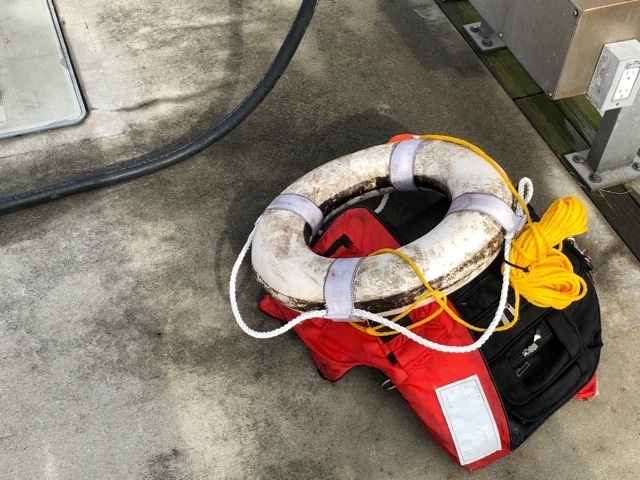
Always wear a properly fitted life jacket. It helps keep a person afloat while others respond, especially after an unexpected fall. On trips where a person could end up alone in the water, consider a registered 406 MHz personal locator beacon worn where it can be reached. A personal AIS man overboard device serves a different purpose: it can help nearby AIS equipped vessels locate someone when activated. Check how a particular device activates and how your crew will receive its alert. An AIS alert alone is not a substitute for a distress call.
Take extra care on deck. At night or in rough conditions, keep crew movements deliberate and tell someone before going forward. On a vessel fitted for them, correctly rigged jacklines, harnesses and short tethers can help keep a crew member attached. Practice using that equipment before relying on it underway.
Give everyone a role if someone falls overboard. Call out, throw flotation and have one person keep pointing at the person in the water. Mark the position on the chartplotter if one is available, maneuver carefully, and call for help when needed. A short crew briefing before departure makes those first seconds less confusing.
Leave a float plan with someone ashore. Include the boat's description and a recent photo, the people aboard, route, expected return time, and communications and safety equipment. Agree on check-ins and what your contact should do if you are overdue. The Coast Guard does not hold recreational float plans; your chosen contact can pass the details to rescue authorities if concern arises. Tell that person when you return or change plans.
No single piece of gear prevents every accident. Together, these steps can stop a boat from running away, help a person stay afloat, and give a search team a useful place to start. Beyond equipment and planning, proactive preparation through formal education remains one of the strongest defenses against maritime accidents. Completing a U.S. Coast Guard Auxiliary boating safety course equips operators with essential knowledge on navigation rules, emergency procedures, and local waterway hazards—often qualifying boaters for discounts on marine insurance. Complementing this training, the Auxiliary offers free, non-punitive Vessel Safety Checks (VSCs). Conducted by certified examiners at your dock or ramp, these inspections audit vital onboard gear, ensuring engine cut-off switches, navigation lights, distress signals, and life jackets are fully functional and compliant. Passing vessels earn a recognized decal, while those with missing or expired items receive an actionable safety checklist without risk of fines, eliminating the hidden equipment failures that frequently trigger mystery incidents. Visit the Coast Guard Auxiliary Flotilla 91 website at https://www.Aux91FMB.org to learn more.
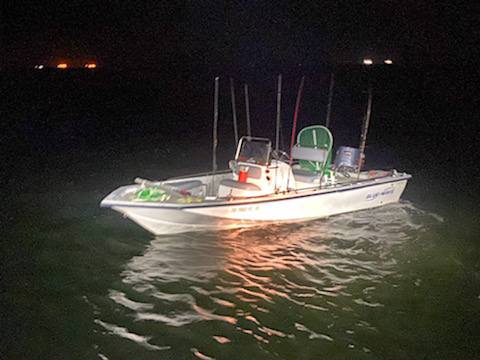
An unmanned, adrift, 19-foot vessel discovered, the mystery remains.
###
Media Contact:
Daniel Eaton
Flotilla Staff Officer Public Affairs
PublicAffairs@Aux91FMB.org | 239-690-6780 Option 4